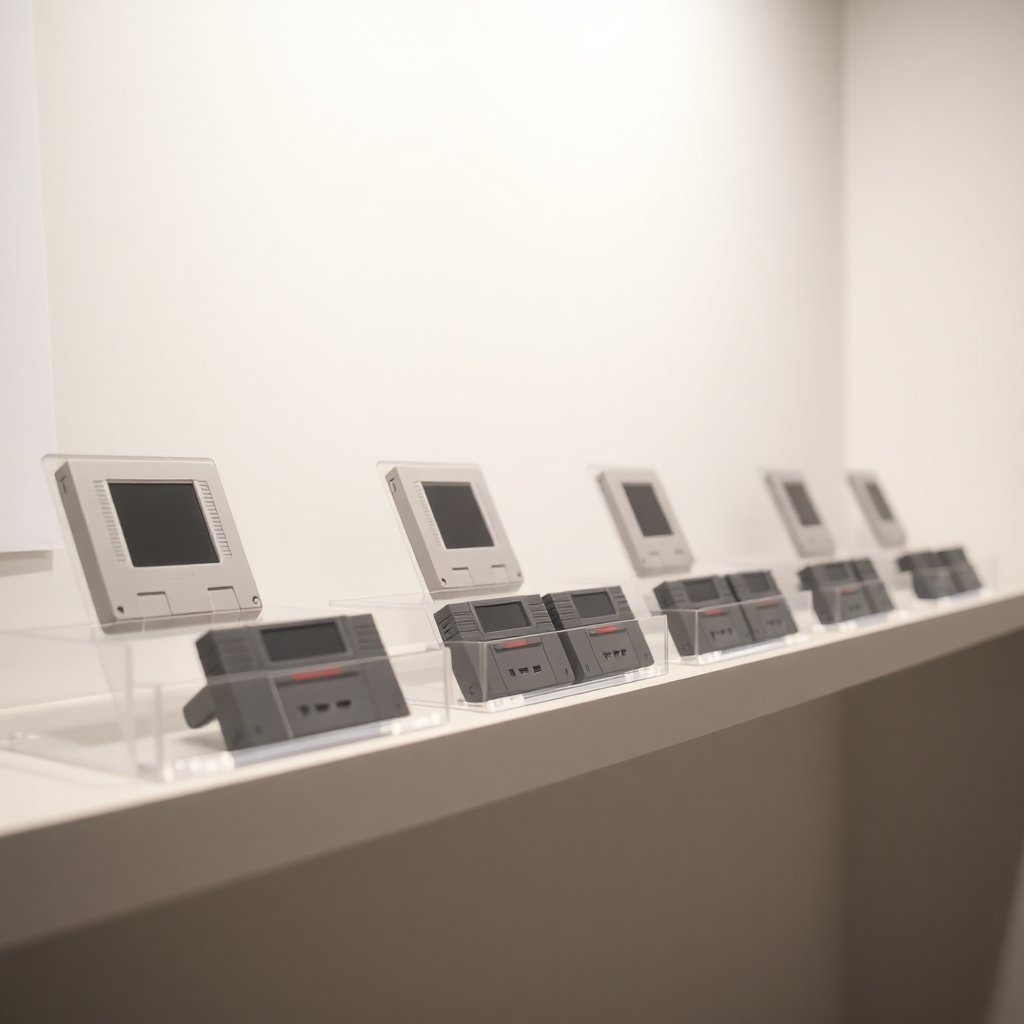
Sending a game away to be graded is a bet: you are wagering the grading fee, the shipping, and a few months of not touching your cartridge on the hope that a plastic slab and a number will make it worth more than it is loose. Sometimes that bet pays off enormously, and sometimes you spend 80 dollars to encase a 30-dollar game forever. Knowing which service to use, and whether to use one at all, is the difference between a smart investment and an expensive mistake.
The grading landscape shifted hard in 2026. WATA, long the default name in sealed game grading, is now fully integrated into PSA Video Games, while CGC has spent the year undercutting everyone on price and turnaround. That reshuffling changes the math on which company deserves your submission. Here is how the three major graders actually stack up right now.
As an Amazon Associate we earn from qualifying purchases. Some links below are affiliate links, which helps keep this site running at no extra cost to you.
Why grade a retro game at all
Grading does two things. It authenticates the item, confirming a sealed copy is genuinely factory sealed and not a resealed fake, and it assigns a standardized condition score that buyers trust more than a seller's word. For high-value sealed and mint items, that trusted number can multiply resale value. A sealed classic that grades cleanly can sell for several times what an ungraded copy of the same title fetches, because the buyer no longer has to gamble on authenticity.
The catch is that grading only makes financial sense above a certain value threshold. If the graded copy will not sell for meaningfully more than the ungraded copy plus the roughly 50 to 150 dollars you spent to grade it, you have lit money on fire. As a rough rule, graders make sense for sealed games, factory-fresh consoles, and genuinely scarce or high-grade loose cartridges. They rarely make sense for common loose carts worth under 40 dollars.
If you are still learning to judge condition yourself before paying someone else to, start with our complete CIB retro game condition grading guide, which walks through the same visual factors these companies score.
The three graders at a glance
Three companies dominate retro game grading in 2026, and each has a distinct personality.
WATA (now PSA Video Games). WATA built the modern sealed-game grading market and still commands the strongest reputation for rare, sealed, high-value titles. Its 2026 absorption into PSA, the giant that dominates trading card grading, gives it enormous industry reach and buyer recognition. WATA-graded sealed games consistently pull the highest hammer prices at major auction houses. The tradeoff is cost and speed: expect roughly 50 to 150 dollars per game depending on tier, plus a fair market value upcharge on expensive items, and turnaround that can stretch from a few weeks to several months.
VGA (Video Game Authority). VGA is the veteran, grading games since the mid-2000s. Its signature is a thick, high-clarity acrylic case that display collectors love, which makes VGA a favorite for people who want their slabs to look like museum pieces on a shelf. Pricing runs in a similar 50 to 150 dollar band for standard games, with a 21 to 75 day turnaround. VGA uses a stricter, more conservative grading scale, so a VGA 85 can represent a genuinely exceptional copy.
CGC (Certified Guaranty Company). CGC is the newcomer that has grown fast by competing on price and speed. In 2026 its fees run roughly 40 to 125 dollars with a lower FMV upcharge than WATA, and it markets faster turnaround tiers aggressively. CGC comes from a strong comic and card grading pedigree, so its authentication chops are respected, though its resale premiums on sealed games still trail WATA at the very top of the market.
For a broader sense of what commands these premiums in the first place, our roundup of the most valuable SNES games ever shows the kind of titles where a grade genuinely moves the needle.
Cost, turnaround, and the FMV upcharge
The sticker price is only part of the story. All three graders add a fair market value (FMV) upcharge on high-value items, meaning the more your game is worth, the more you pay to grade it. WATA's FMV upcharge has historically been the steepest, CGC's the gentlest, with VGA in between. On a game worth a few thousand dollars, that percentage difference can add up to real money.
Turnaround also swings widely by service tier. A budget tier at any of these companies can take months, while an expedited or walk-through tier at a show can turn a game around in days for a premium. If you are grading to sell into a hot market moment, paying up for speed can be worth it. If you are grading a personal keeper, the cheapest slow tier is fine.
One honest note: turnaround estimates from all three graders are estimates, and backlogs during busy seasons routinely blow past them. Do not send a game expecting a hard deadline. Grade well ahead of any sale you have planned.
How to prep a game before you submit
Whatever grader you choose, presentation on arrival affects both the grade and the odds of shipping damage. A few inexpensive supplies protect your submission in transit.
Handle sealed items with clean hands. Skin oils cling to shrinkwrap and cardboard. A box of nitrile inspection gloves keeps fingerprints and oils off anything you are about to send for grading.
Protect the item in transit. Graders penalize any new damage that happens on the way to them, and a crushed corner is on you, not the shipper. Rigid cardboard game box protectors and plenty of padding keep a boxed game rigid inside its shipping carton.
Inspect before you pay. A cheap magnifier reveals seam issues, resealing tells, and label damage you would rather discover before spending 100 dollars to grade a problem copy. A jeweler's loupe or lighted magnifier pays for itself the first time it saves you a wasted submission.
Store the slab safely afterward. A returned slab is durable but not invincible, and UV still fades labels through acrylic over years. A set of UV-resistant display cases or a dark storage cabinet keeps a freshly graded game looking the way it scored.
Which grader should you actually pick
Match the grader to your goal.
Grading to maximize resale on a high-value sealed game. WATA under the PSA umbrella still owns the top of the auction market, so its slabs typically clear the highest prices on scarce sealed titles. If your item is genuinely valuable and you plan to sell, the premium is usually worth it.
Grading for display. VGA's thick, crystal-clear cases are the most attractive on a shelf, and its conservative scale means a strong VGA grade carries real bragging rights among collectors who know the scale.
Grading on a budget or in volume. CGC's lower fees and lighter FMV upcharge make it the value pick, especially if you are grading several mid-tier games at once and want them back quickly.
Whatever you choose, verify current fees and tiers directly before shipping, because all three companies adjust pricing regularly. The independent grading breakdown at What The Slab tracks the latest published rate cards and is worth a look the week you submit.
The bottom line
Grading is a tool, not a default. Used on the right item, a WATA, VGA, or CGC slab authenticates your game, standardizes its condition, and can multiply what it sells for. Used on the wrong item, it is an expensive plastic coffin for a common cartridge. Run the numbers first: estimate the graded resale value, subtract the grading fee, shipping, and FMV upcharge, and only submit when the math clearly favors it.
For discs specifically, which carry their own grading quirks around surface scratches and disc rot, our PlayStation 1 disc condition grading guide covers what these services look for before you decide a disc is slab-worthy. Grade the games that earn it, enjoy the rest as games, and let condition, not hype, drive every submission.
As an Amazon Associate we earn from qualifying purchases. This article contains affiliate links; if you buy through them we may earn a small commission at no additional cost to you.