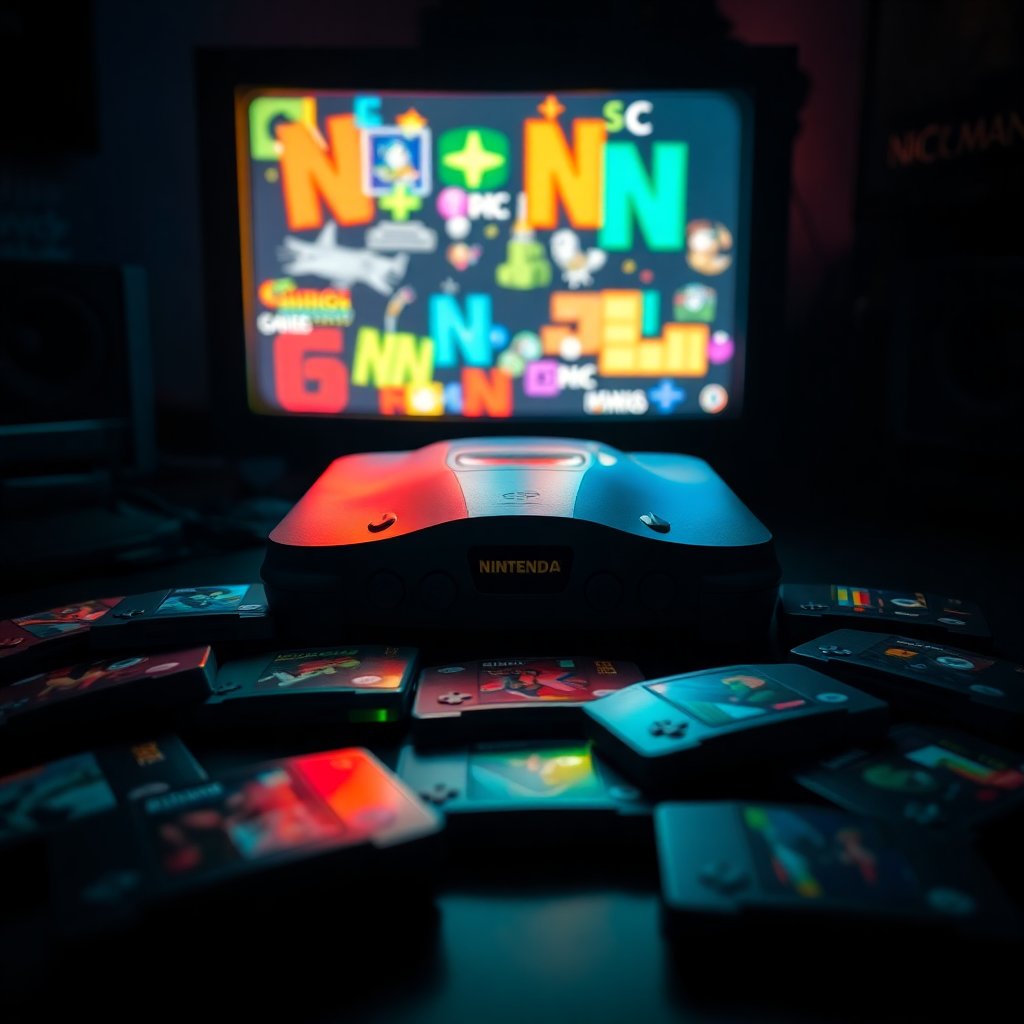
The Best Retro Gaming Consoles to Buy in 2026
You grew up with a controller in your hand. You know what Super Mario Bros 3 sounds like. You remember the Christmas morning you unwrapped a Sega Genesis. Now you want to play those games again — and you want to do it right.
The problem: the options are confusing. Original hardware? Mini consoles? Modern handhelds with emulation? FPGA recreations? Each approach has real advantages and real tradeoffs. This guide will cut through the noise.
The Three Approaches (And Who Each Is For)
1. Original Hardware — The Purist Option
Best for: People who want complete authenticity, collectors who care about the real experience, anyone who already has CRT TVs or SCART setups.
There's nothing like original hardware. The weight of a real NES controller. The specific click of a SNES button. The way a cartridge slides in. That's not nostalgia talking — it's physics. The real hardware processes signals, produces sound, and responds to input in ways that emulation still doesn't perfectly replicate.
The catch: You need to find working hardware (eBay, local game stores, estate sales), deal with aging capacitors and dirty cartridge connectors, and figure out video output. Original NES outputs RF or composite — neither looks great on a modern flat-screen TV without an upscaler.
Our verdict: Worth it if you're a serious collector or if you have a CRT TV handy. For casual gameplay on a modern setup, the hassle can outweigh the authenticity.
Best original consoles to buy right now:
- NES — plentiful, $50–$120 on eBay, most units still work
- Sega Genesis Model 1 — the preferred variant for collectors (high-quality audio)
- SNES — harder to find in great shape, but worth it; avoid yellowed units
- N64 — prices have risen but still reasonable; the CIC chip is aging on many units
2. Mini Consoles — The Easy Option
Best for: People who want to relive classic games with zero fuss, anyone who wants a shelf-display piece that actually works, gift-givers.
Nintendo's Classic Edition consoles are remarkable achievements. The SNES Classic Edition packs 21 of the best SNES games ever made into a $79–$119 package with HDMI output, two controllers, and accurate emulation. You plug it in and play. There's no setup, no cartridge hunting, no HDMI adapter required.
The game libraries are curated but excellent:
- SNES Classic: Super Mario World, A Link to the Past, Super Metroid, Donkey Kong Country, EarthBound, Street Fighter II Turbo, Yoshi's Island, Final Fantasy VI
- NES Classic: Super Mario Bros 1-3, Zelda, Metroid, Mega Man 2, Castlevania, Contra, Punch-Out
The catch: You get what you get. The library is fixed — you can't add games officially, though modding is well-documented. No cartridge slot means no physical collection building.
Our verdict: The SNES Classic Edition is probably the best single purchase for someone who wants to revisit the 16-bit era. The NES Classic is similarly excellent. The Sega Genesis Mini 2 is the right call for Sega fans.
3. Modern Emulation Handhelds — The All-In-One Option
Best for: People who want everything in one device, those who travel, anyone who wants to play on the go or in bed.
Devices like the Miyoo Mini Plus, Retroid Pocket 4 Pro, and Analogue Pocket have changed the retro gaming landscape. For $50–$180, you can carry a device that plays every game from Atari 2600 through PlayStation 1 (and often much more) on a bright IPS or OLED screen.
The best options in 2026:
Miyoo Mini Plus ($49–$69): The sweet spot for most retro gamers. Handles everything up to PS1 flawlessly. Community OnionOS firmware adds themes, bezels, and game organization. Best retro handheld under $100 — not even close.
Retroid Pocket 4 Pro ($149–$179): For power users. Runs PS2, GameCube, and even light Nintendo Switch emulation. Android-based, so you get apps and online features too. The choice if you want one device to rule them all.
Analogue Pocket ($219–$249): Not emulation — actual FPGA hardware recreation. Plays original Game Boy, GBC, GBA, Game Gear, and Lynx cartridges. The premium choice for people who want accuracy without compromise.
Which Console Should You Buy?
Just want to play NES classics tonight: NES Classic Edition. Plug it in, done.
The 16-bit era was your golden age: SNES Classic Edition for Nintendo, Sega Genesis Mini 2 for Sega.
You're an Atari kid: Atari 2600+ plays original cartridges and has HDMI output. Brilliant rerelease.
You want everything, portable: Miyoo Mini Plus under $70. Life-changing for the price.
You're a serious collector: Track down original hardware, get a RetroTINK 5X Pro upscaler, and do it right.
You want the absolute best handheld: Retroid Pocket 4 Pro handles everything including PS2 and GameCube.
The Bottom Line
There's no wrong answer here. The golden age of retro gaming revival is happening right now — the hardware is better than ever, the libraries are accessible, and the community is active. Whether you spend $50 on a Miyoo Mini Plus or $800 on original hardware plus a RetroTINK 4K upscaler, you're going to have a great time.
The games that made you are still great games. Go play them. Once you've picked your platform, check our deep-dive guides to the best SNES games to collect and the best N64 games to collect — both are essential reading before you start building a library.
Frequently Asked Questions
What is the best retro gaming console to buy in 2026?
The Nintendo Switch Online service is the best all-in-one option for casual retro gaming — NES, SNES, N64, and Genesis libraries included with a Switch subscription. For dedicated retro hardware, the Analogue consoles (Pocket, NT, SG) are the premium FPGA-based choice for original cartridge play. Budget-conscious players get excellent value from the SNES Classic Mini (used) or a Raspberry Pi retro gaming build.
Is it worth buying original retro consoles, or are mini consoles better?
Original hardware with period-correct CRT TVs provides the most authentic experience — zero emulation compromise, original cartridge feel, and the satisfaction of owning the real thing. Mini consoles (SNES Classic, Genesis Mini) are convenient, legal, and good value for their included game libraries. Emulation on modern hardware covers the largest libraries but involves the ROM sourcing considerations above. The right answer depends on how authentic an experience you want.
What retro consoles are collectible and increasing in value?
Original NES, SNES, N64, and Sega Genesis hardware in complete boxed condition has steadily appreciated as these items age into genuine historical artifacts. N64 has seen the most significant price increases in recent years. For a specific games collecting angle, complete-in-box SNES and N64 games are the most actively collected and priced. Original Game Boy and Game Boy Advance hardware also has strong collector demand.
What is the best retro gaming setup for a living room?
The most plug-and-play setup: Analogue Super NT or NT Mini Noir (FPGA-based, HDMI output, plays original cartridges) plus an 8BitDo controller. This combination runs original cartridges on modern TVs with zero lag and excellent picture quality. If budget is a concern, a Raspberry Pi 4 running RetroArch with a 128GB card and 8BitDo controller covers virtually every classic system at a fraction of the cost.
What are the best retro games to start a collection with?
For SNES: Super Mario World, The Legend of Zelda: A Link to the Past, Donkey Kong Country, and Street Fighter II are the foundation. For N64: Super Mario 64, Ocarina of Time, GoldenEye 007, and Mario Kart 64. For NES: Super Mario Bros. 3, Mega Man 2, and Contra. These are affordable, historically significant, and genuinely great to play — the right foundation for any retro collection.
As an Amazon Associate we earn from qualifying purchases. This article contains affiliate links; if you buy through them we may earn a small commission at no additional cost to you.