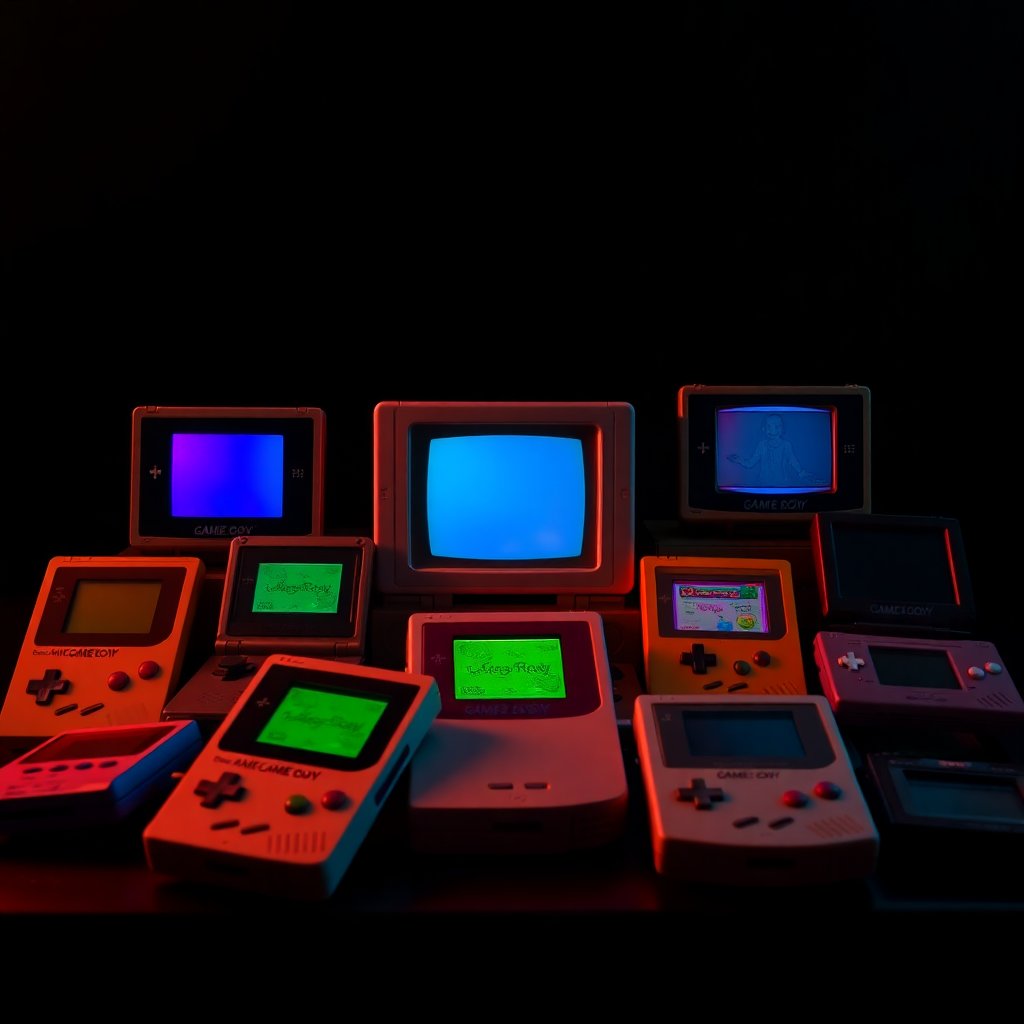
Best Retro Gaming Handhelds of 2026
There has never been a better time to play retro games on a handheld device.
In 2026, you can buy a $50 device that plays every game from Atari 2600 through PlayStation 1 on a bright IPS screen with 10 hours of battery life. You can spend $180 and get a device powerful enough to run PS2 and GameCube. Or you can spend $220 on hardware that uses FPGA technology to perfectly replicate the Game Boy hardware at the transistor level.
The retro handheld market has exploded, and the options are genuinely excellent across every price range. This guide covers everything you need to know.
What to Look For in a Retro Handheld
Screen quality: IPS screens are the minimum you should accept in 2026. OLED displays are available in premium models and deliver much better contrast. Look for at least 480x320 resolution for small screens; higher for 4-5" screens.
Performance: Most handhelds run everything up to PS1 fine. N64 emulation is hit-or-miss on mid-range devices — it works for most games, badly for some. GameCube and PS2 require higher-end hardware (Retroid Pocket 4 Pro tier).
Ergonomics: The form factor matters enormously. Horizontal (landscape, like GBA) vs. vertical (portrait, like Game Boy) vs. clamshell — all have fans. Try to find reviews that mention hand fatigue for sessions longer than an hour.
Firmware and community: The best handhelds have active communities that develop custom firmware with better organization, bezels, shaders, and theme support. OnionOS for Miyoo, ArkOS for Anbernic, and Knulli/Rocknix for higher-end devices.
The Best Retro Handhelds in 2026
Miyoo Mini Plus — Best Value ($49–$69)
The Miyoo Mini Plus is the answer to "what retro handheld should I buy?" for most people.
What you get: A 3.5" IPS screen with accurate colors. 3000mAh battery (real 10+ hours of game time). Handles everything from Atari 2600 through PS1 flawlessly. N64 works for most games with some framerate dips. Community OnionOS firmware transforms the interface with themes, bezels, and excellent game organization.
The form factor: Small — very small. It fits in a jeans pocket. This is either a feature or a dealbreaker depending on your hand size. Adults with larger hands sometimes find it cramped for extended sessions.
The community: OnionOS for Miyoo is mature, actively developed, and excellent. The community has built bezels, custom shaders that simulate CRT scanlines, and themes for every console.
Bottom line: The Miyoo Mini Plus punches dramatically above its price class. If you want to play retro games on a budget, this is the purchase.
Anbernic RG35XX H — Great Starter, Landscape Form ($49–$65)
If you find the Miyoo Mini Plus too small, the Anbernic RG35XX H offers the same performance range in a landscape form factor — like a miniature Game Boy Advance. Slightly larger hands, same emulation range (Atari through PS1, some N64).
The RG35XX H runs GarlicOS by default, with good community firmware options. Build quality is solid for the price. The analog sticks are a touch better positioned than on the Miyoo for extended play.
Best for: People who want Miyoo Mini Plus performance but find vertical handhelds uncomfortable.
Retroid Pocket 4 Pro — Best Mid-Range ($149–$179)
The Retroid Pocket 4 Pro is the choice for serious retro gamers who want everything in one device.
What you get: A 4.7" 1080p IPS screen. Android operating system with RetroArch, standalone emulators, and app support. Powerful enough to handle PS2, GameCube, Wii, and light Nintendo Switch emulation. Dual hall effect analog sticks (no drift). Wi-Fi for online leaderboards, RetroAchievements, and game downloads.
The Android factor: Running Android means you get a real emulation frontend (ArkOS is popular, or RetroArch + Daijishō), but it also means a learning curve. The Retroid Pocket 4 Pro isn't quite plug-and-play — you'll spend time setting up your emulators and game library.
The performance: PS2 accuracy is impressive. GameCube handles most games well. The device runs warm under load but stays manageable. For every retro platform from Atari through GameCube, performance is excellent.
Best for: Power users who want one device for everything; PS2/GameCube fans; players who want Android flexibility.
Analogue Pocket — The FPGA Premium ($219–$249)
The Analogue Pocket is a different product than everything else on this list. It doesn't emulate — it uses FPGA hardware to recreate the original game hardware at the circuit level. There is no software translating the game; the FPGA is literally pretending to be the original chip.
What this means: Perfect accuracy. Every game runs exactly as it did on original hardware. Every timing quirk preserved. Every hardware trick the programmers used — visible.
What it plays: Game Boy, Game Boy Color, Game Boy Advance via cartridge slot. Game Gear, Lynx, Neo Geo Pocket via adapter. Dozens of other platforms via community-built FPGA cores (free download).
The screen: 3.5" display with 615 PPI — the sharpest handheld screen ever made. GBA games look extraordinary on it.
The catch: Expensive, and it doesn't run PS1 or N64. It's specifically for the Game Boy family and similar hardware, not a general retro emulator.
Best for: Game Boy and GBA enthusiasts who want perfection; collectors who care about accuracy over convenience; anyone who owns original cartridges they want to play.
Anbernic RG405M — Premium Build, Mid-Power ($129–$159)
The RG405M is Anbernic's premium offering — a metal aluminum shell, 4" AMOLED display, and enough processing power for GameCube and PS2 emulation. It runs Android with RetroArch.
The build quality is exceptional. Holding the RG405M feels like a legitimate premium device. The AMOLED screen delivers excellent contrast. It's heavier than plastic competition, which some people prefer (feels substantial) and others don't (heavier in the pocket).
Best for: Players who want better build quality than most plastic handhelds while maintaining solid PS2/GameCube performance.
The Bottom Line: Which One Should You Buy?
You want to spend under $70 and play retro games tonight: Miyoo Mini Plus. Easiest answer in this guide.
You have larger hands and prefer landscape form: Anbernic RG35XX H.
You want to play PS2 and GameCube: Retroid Pocket 4 Pro.
You're a Game Boy enthusiast who wants perfection: Analogue Pocket.
You want excellent build quality with PS2 support: Anbernic RG405M.
One Note on Game Libraries
All of these handhelds require you to supply your own game ROMs — files of the game data from cartridges you own. This is a legal and logistical topic beyond this guide's scope. The device manufacturers don't provide games. What they do provide is hardware capable of playing whatever you legally source.
The communities around each device have robust documentation for setup, and RetroAchievements (a free service) adds achievement support to thousands of classic games across all platforms — a great way to find new things to accomplish in games you've played before.
The golden age of retro handheld gaming is right now. Any of these devices will give you something extraordinary. If you want a living room setup alongside your handheld, our guide to the best retro consoles in 2026 covers every option from original hardware to modern mini consoles.
Frequently Asked Questions
What is the best retro gaming handheld in 2026?
The Miyoo Mini Plus is the best budget pick — excellent build quality, a beautiful 3.5" IPS display, and community firmware support makes it capable of playing NES through SNES and early PS1 games in a pocket-sized package. The Anbernic RG35XX H or RG556 step up for those who want N64 and Dreamcast performance. The Steam Deck covers everything up to PS3/Wii at the premium end.
What systems can retro handhelds emulate?
Entry-level handhelds (Miyoo Mini Plus, RG35XX) handle NES, SNES, Sega Genesis, Game Boy/GBC/GBA, and early PS1 well. Mid-range devices (RG353P, RG35XX H) add N64, PSP, and Dreamcast. High-end handheld PCs (Retroid Pocket 5, Steam Deck) can handle PS2, GameCube, and even Wii with performance varying by game.
Are retro handhelds legal?
The devices themselves are legal to purchase and own. The game ROMs are where legality becomes complicated — the common understanding is that backing up ROMs from cartridges you own for personal use is generally considered permissible, but distributing or downloading ROMs you don't own a physical copy of is copyright infringement. The handheld manufacturers do not provide games — you source your own.
What is the best retro handheld for beginners?
The Miyoo Mini Plus is the most beginner-friendly option — it has a large, active community, extensive setup guides, pre-configured firmware options (Onion OS) that make setup very accessible, and a form factor that's comfortable for long sessions. For someone who wants to pick up a device and start playing with minimal configuration, it's the easiest starting point.
How long does battery last on retro gaming handhelds?
Most quality retro handhelds get 5–8 hours of battery life on systems up to SNES and Genesis. N64 and PS1 emulation draws more power, typically giving 3–5 hours. The Miyoo Mini Plus gets approximately 6–8 hours on lighter systems. The RG556 with its larger battery handles 6+ hours on most systems. Larger handhelds like the Retroid Pocket 5 get 5–6 hours at mid-to-high emulation demands.
As an Amazon Associate we earn from qualifying purchases. This article contains affiliate links; if you buy through them we may earn a small commission at no additional cost to you.